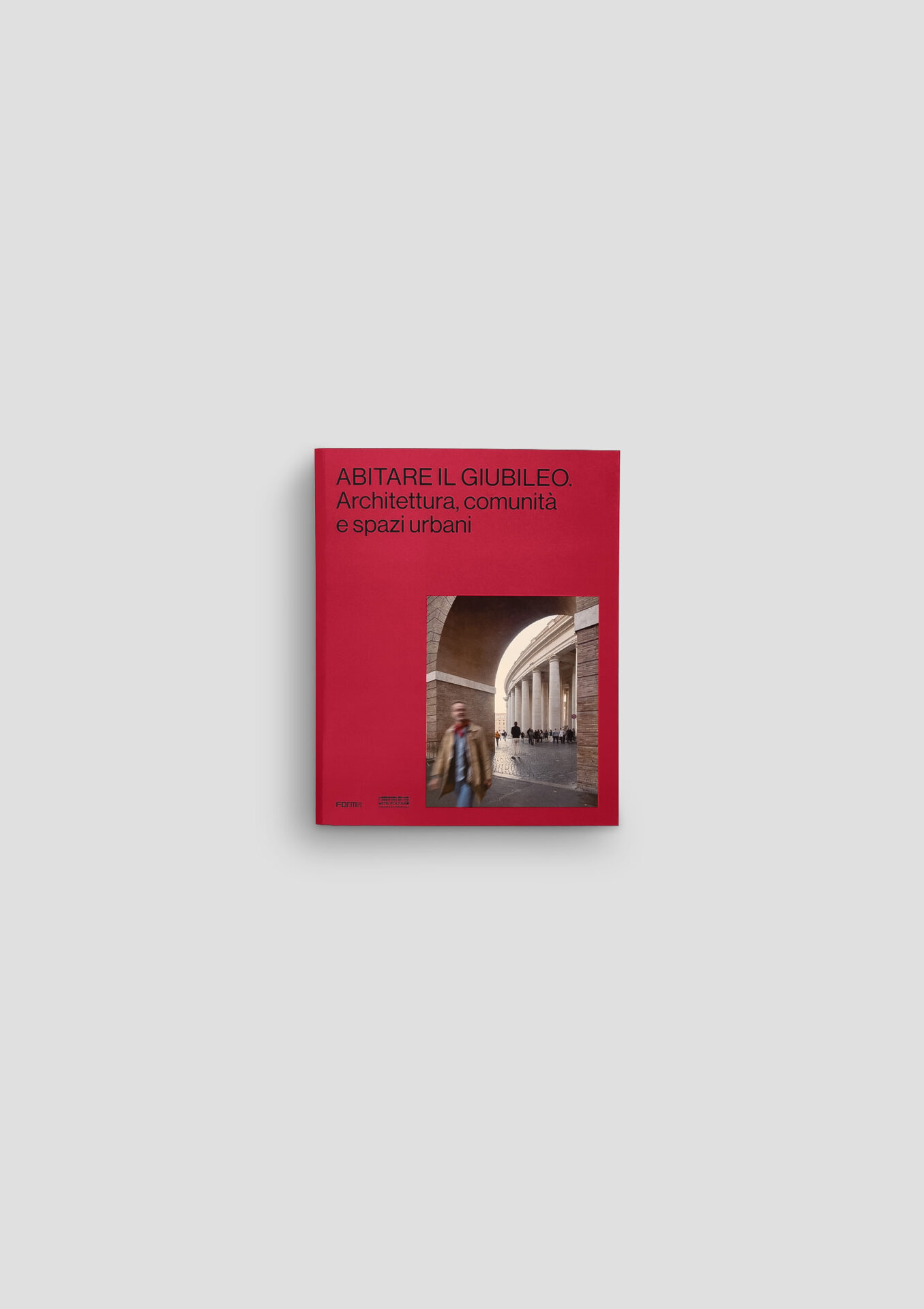
ABITARE IL GIUBILEO. ARCHITETTURA, COMUNITÀ E SPAZI RUBANI
The tradition of the Jubilee, though deeply rooted, is relatively recent in the history of the Church. When Boniface VIII proclaimed the first Jubilee in 1300, he perhaps did not imagine the enormous influx of pilgrims that would transform Rome. Dante himself describes the crowd on Ponte Sant’Angelo, forced to follow a new direction of movement to reach St. Peter’s (Inferno, XVIII, 28–33): an early example of how the city had to adapt to welcoming visitors by intervening in its traffic system.
Over the centuries, many Jubilees have left behind extraordinary works: from the Ponte Sisto (1475) to Bernini’s Baldachin for 1625, from the Fountain of the Four Rivers (1650) to the demolition of the Spina di Borgo to create Via della Conciliazione in 1950.
Each Jubilee has helped make Rome more welcoming, more beautiful, more modern. The Jubilee of 2025 does the same, delivering to the city wide-ranging interventions and significant redevelopment projects.
Forma Edizioni produced the catalogue for the exhibition held on 15 December 2025 at the Metropolitan Urban Center of Rome, an event promoted by Roma Capitale and Risorse per Roma.
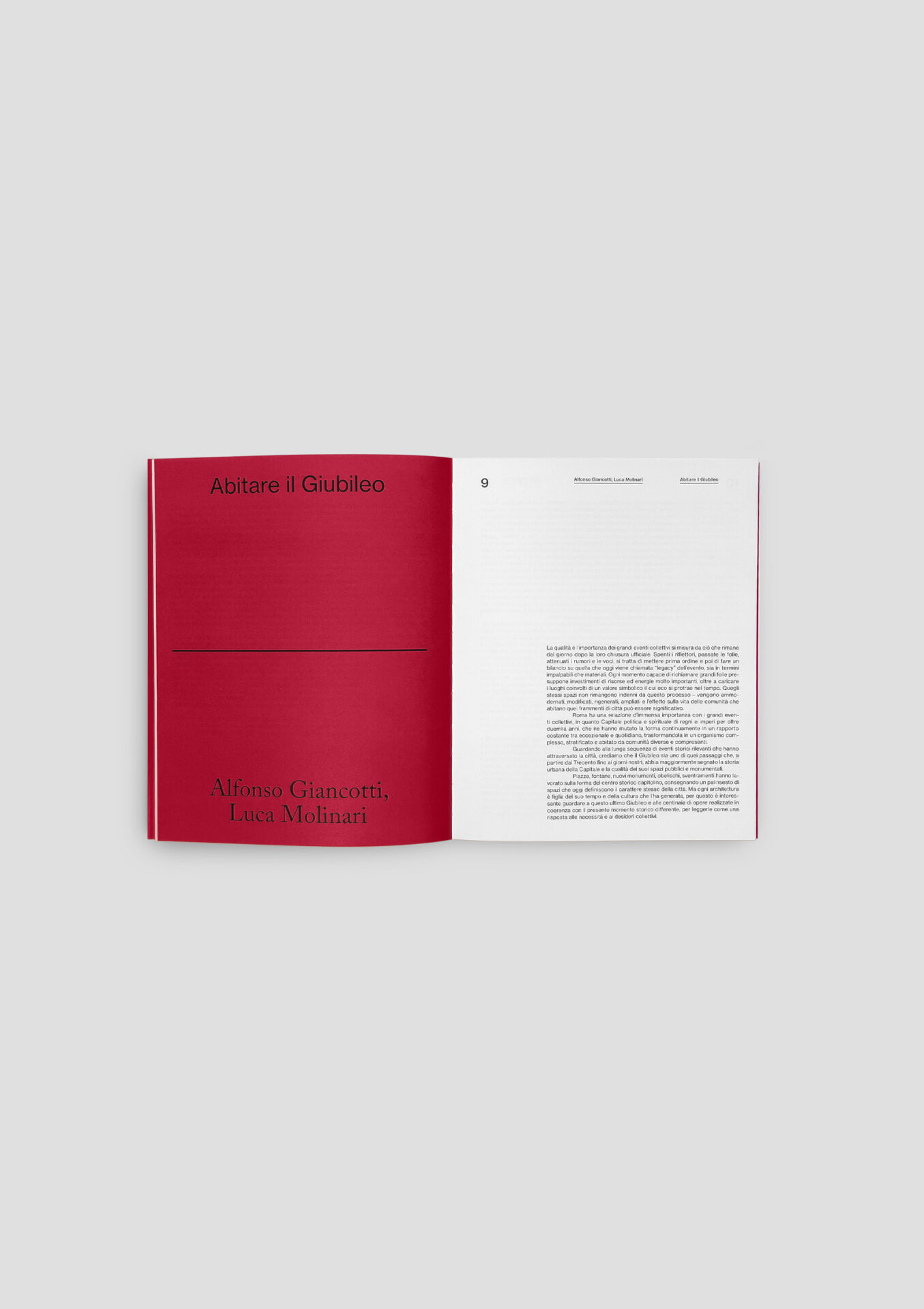
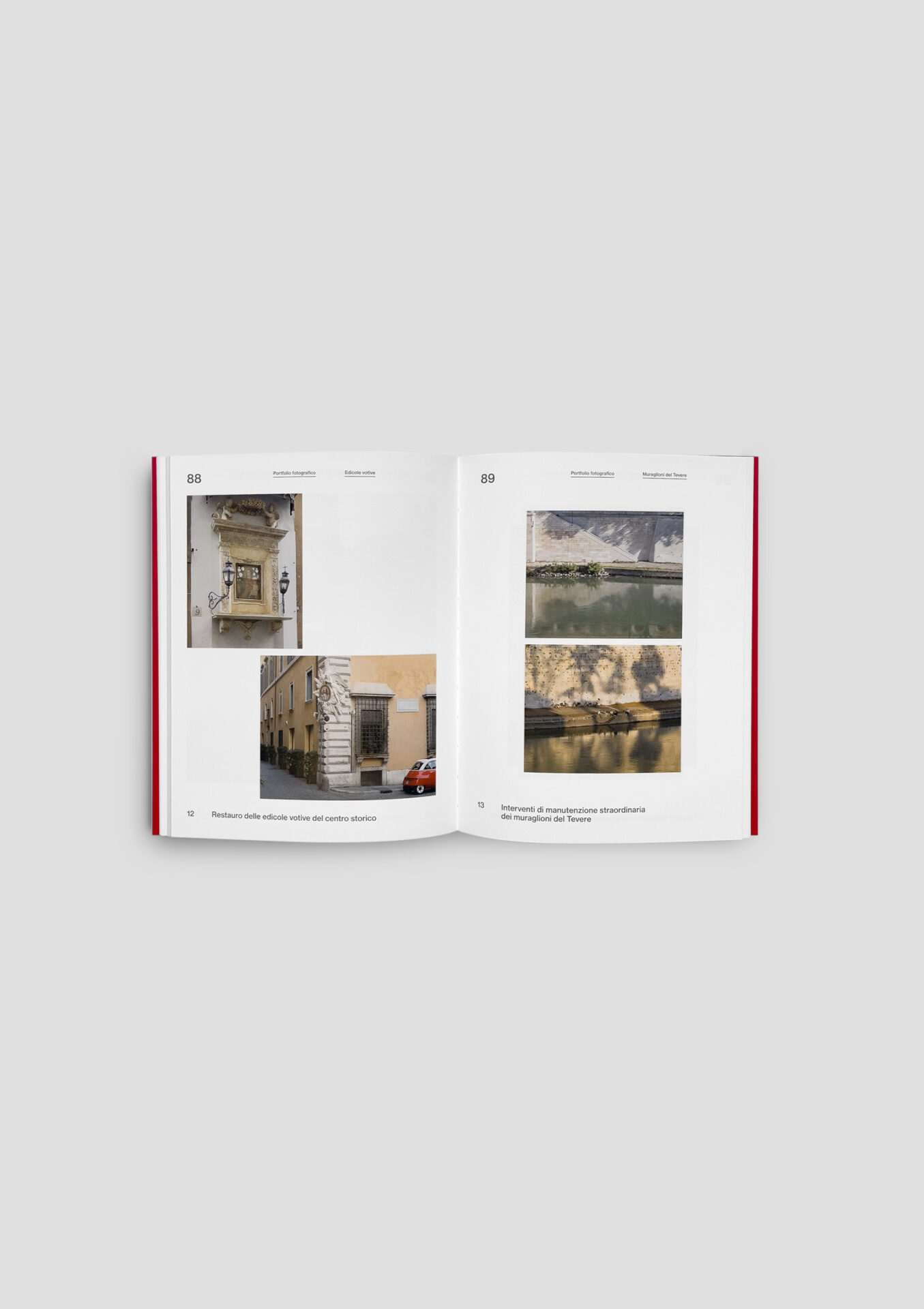
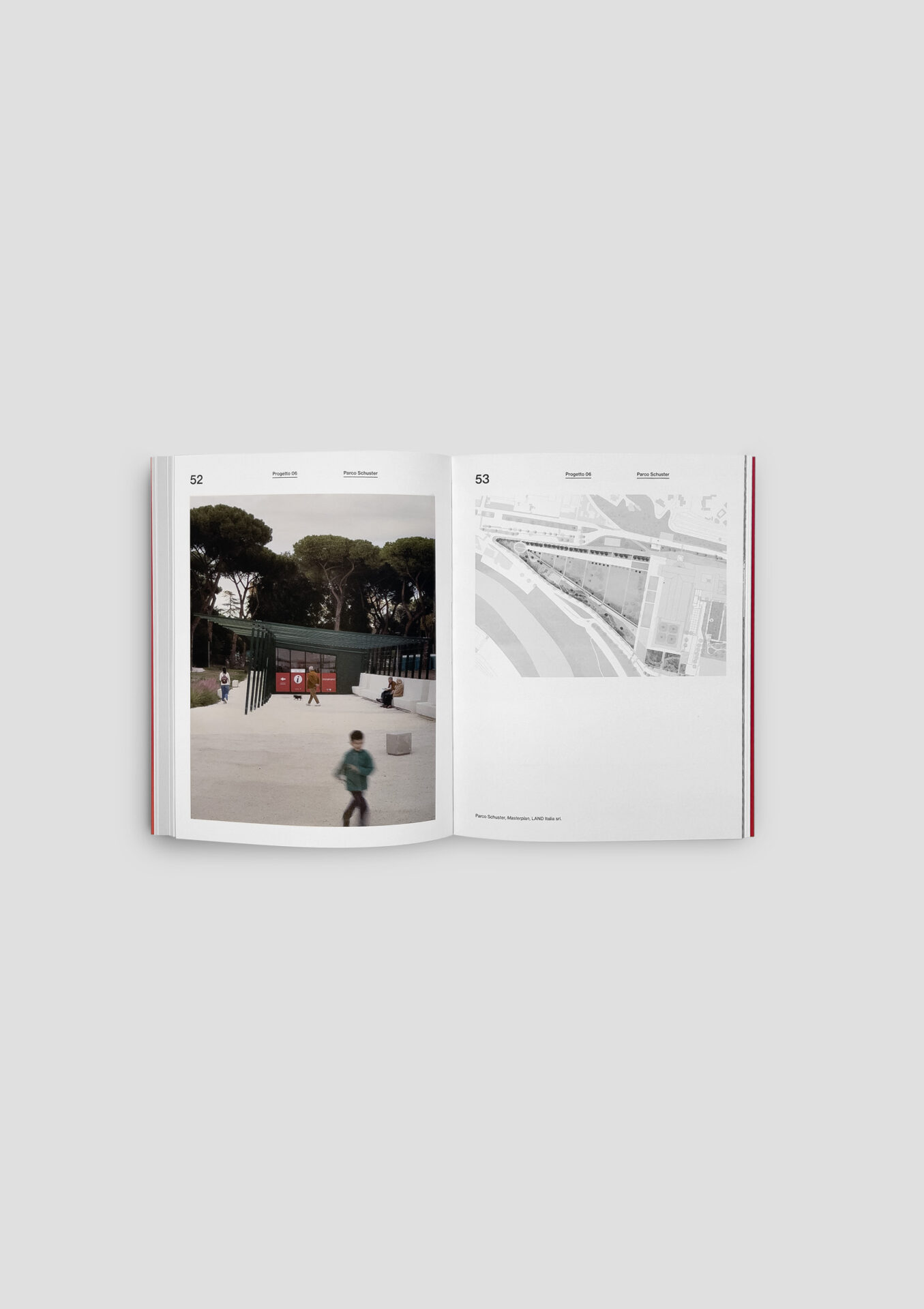
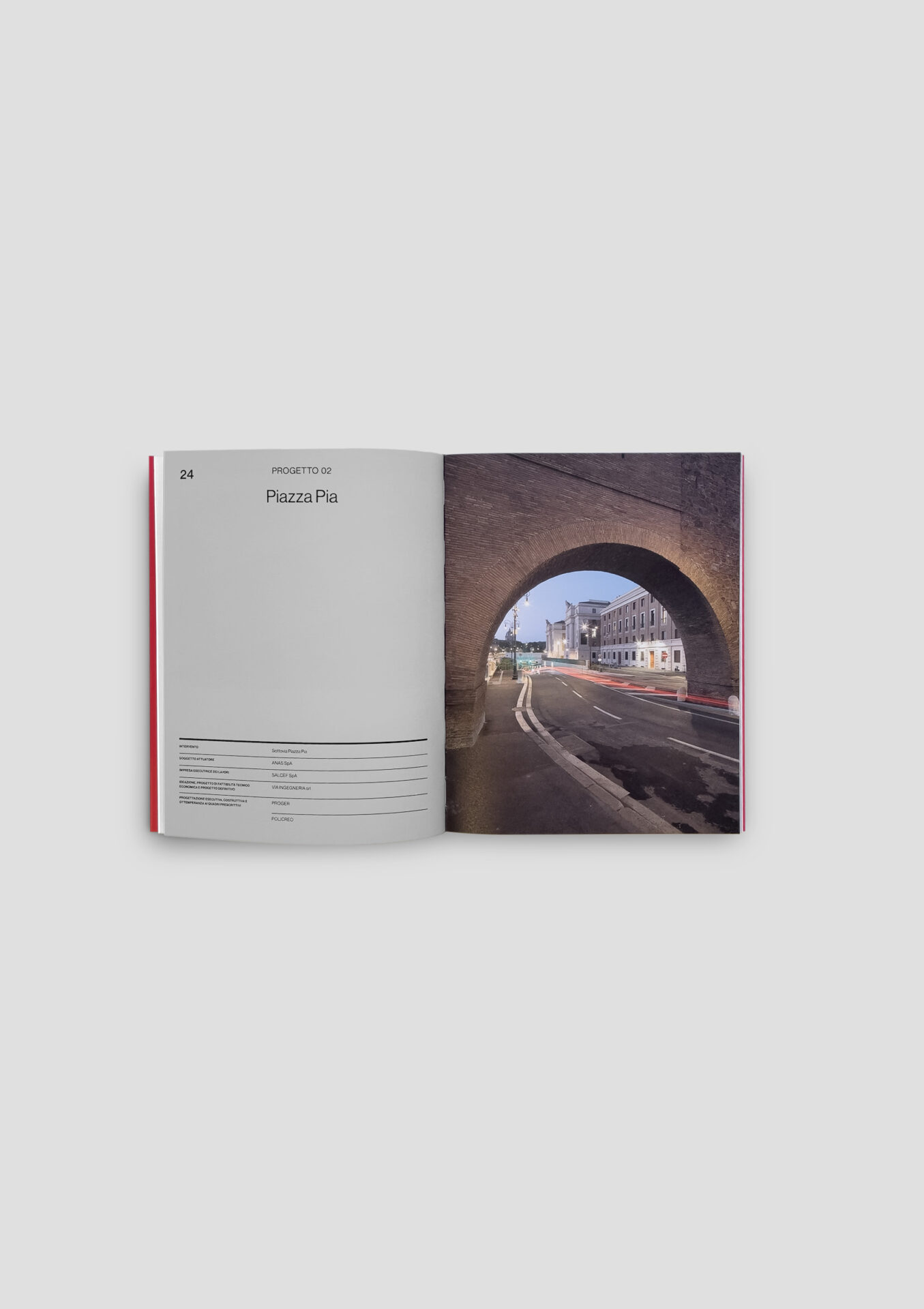
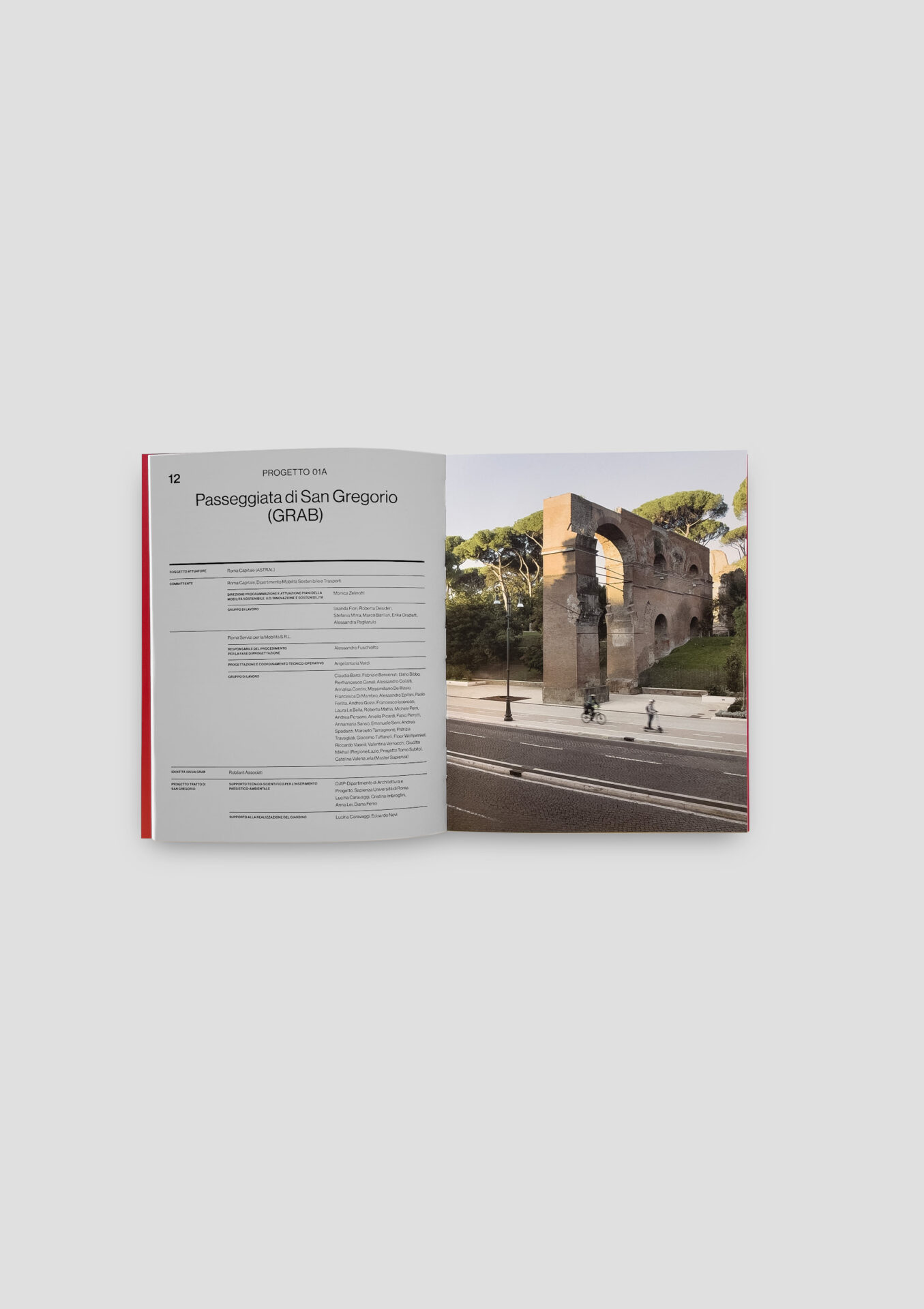
This publication accompanies the inaugural exhibition of the Metropolitan Urban Center—the new urban space dedicated to information, participation, and urban culture—and brings together contributions, images, and texts related to the exhibition design and the contents presented on the occasion of the inauguration.
Luca Molinari Studio was established in 2015 and founded by Luca Molinari. His independent studio is supported by a team of professionals from the fields of architecture, exhibition design, graphic design, publishing, copyediting, and project management. Luca Molinari Studio provides integrated services in content design, consultancy, curatorship, planning, coordination, and project and process management in the fields of architecture and design culture. Among the aims of their working philosophy are providing sustainable tools capable of promoting and sharing knowledge; giving concrete form to visions and needs in contemporary living; “building” awareness; and giving voice, identity, and quality to urban places and territories.
Alfonso Giancotti is an architect, designer, curator, and Full Professor of Architectural and Urban Design at the Faculty of Architecture of “Sapienza” University of Rome. He carries out activities in design experimentation and research and has won several national and international design competitions. His drawings, projects, and works are published in architecture journals and volumes and exhibited in Italy and abroad.
ABITARE IL GIUBILEO. ARCHITETTURA, COMUNITÀ E SPAZI RUBANI
| Weight | 0.22 kg |
|---|---|
| Dimensions | 19 × 24 × 1 cm |
| Pages | 112 |
| Year of publication | 2025 |
| Languages | Italian |
| Printing | colours |
| Binding | paperback with strips |
| Availability | available |
| Number of images | 69 |
€18.00
Related products